
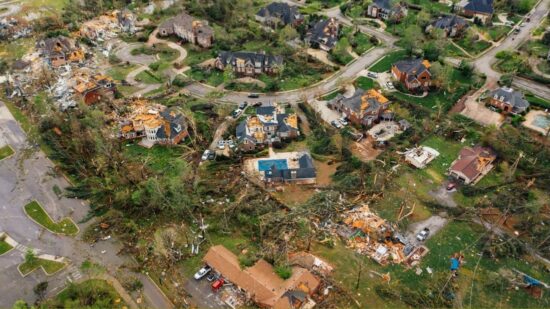




A newly filed class action in the Western District of Washington advances a novel theory of greenwashing liability by suggesting that rising homeowners-insurance premiums are tied to alleged decades of climate deception by major fossil-fuel companies. See Kennedy & Hazard v. Exxon Mobil Corp. et al., Case No. 2:25-cv-02378. According to the complaint, extreme weather events in the United States doubled in the 50 years between 1960 and 2010. In the first 3 quarters of 2024, these catastrophic events produced nearly $145 billion in total economic losses, with almost $80 billion covered by insurance, a trend the plaintiffs say has fueled a nationwide surge in premiums.
The plaintiffs, two Washington homeowners, contend their own premiums more than doubled in recent years and claim these increases allegedly stem from the deception of fossil fuel companies in their promotion of their products. Central to the lawsuit is the allegation that the defendants maintained internal knowledge for decades that continued use of fossil fuel would significantly warm the planet, increase catastrophic weather events, and harm the public. Despite that knowledge, plaintiffs claim the defendants engaged in coordinated efforts “deliberately misleading consumers” about the risks their products posed, thereby prolonging fossil-fuel dependence and “precipitating a homeowners insurance crisis.”
According to plaintiffs, insurers have responded to these losses “brought about by Defendants’ misconduct” by increasing premiums in response to the growing frequency and severity of climate-linked disasters. The complaint draws several comparisons to the “big-tobacco playbook” while primarily fitting its allegations under the Racketeering Influenced and Corrupt Organizations Act.
The two plaintiffs seek to be representatives for two classes of plaintiffs: a national class encompassing all homeowners in the United States who have home insurance and a subclass of Washington homeowners with home insurance. Both classes are defined to include only homeowners since 2017 but both classes purport to include future homeowners who will hold a home insurance policy.
The plaintiffs’ approach represents a new frontier in climate litigation: an attempt to treat insurance-market impacts as recoverable economic injuries traceable to alleged climate deception. This lawsuit introduces a potentially far-reaching dimension to climate-related liability that should be watched closely.
For more information on this case, contact Liskow attorneys Kelly Becker, Jamie Rhymes, James Lapeze, and Andrew Hughes.